The best-known reserve in Kenya, at the opposite end of the country from the coast: from Watamu you get there by air, never by road transfer.
The Maasai Mara is a national reserve in south-western Kenya, administered by Narok county, and it continues across the border into the Tanzanian Serengeti. Around the reserve lie the conservancies, areas managed together with the Maasai owners of the land.
Logistically it is the destination furthest from Watamu: the coast and the Mara are opposite ends of Kenya. That is why I take you there by air — a flight from the coast, a connection at Nairobi Wilson, then a light aircraft to an airstrip inside the Mara area — and never with a long road transfer.
Nature and culture
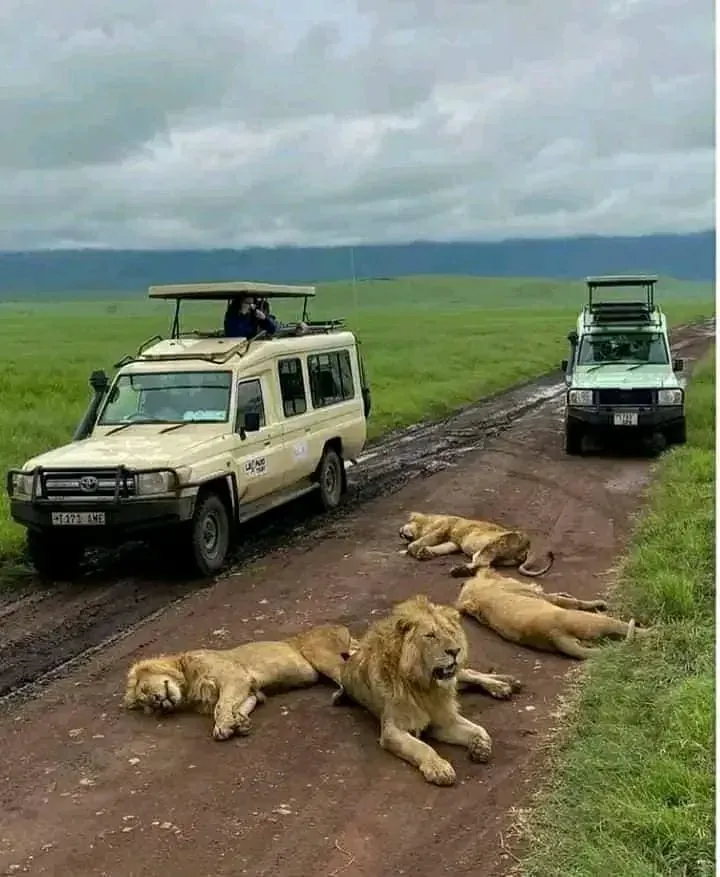
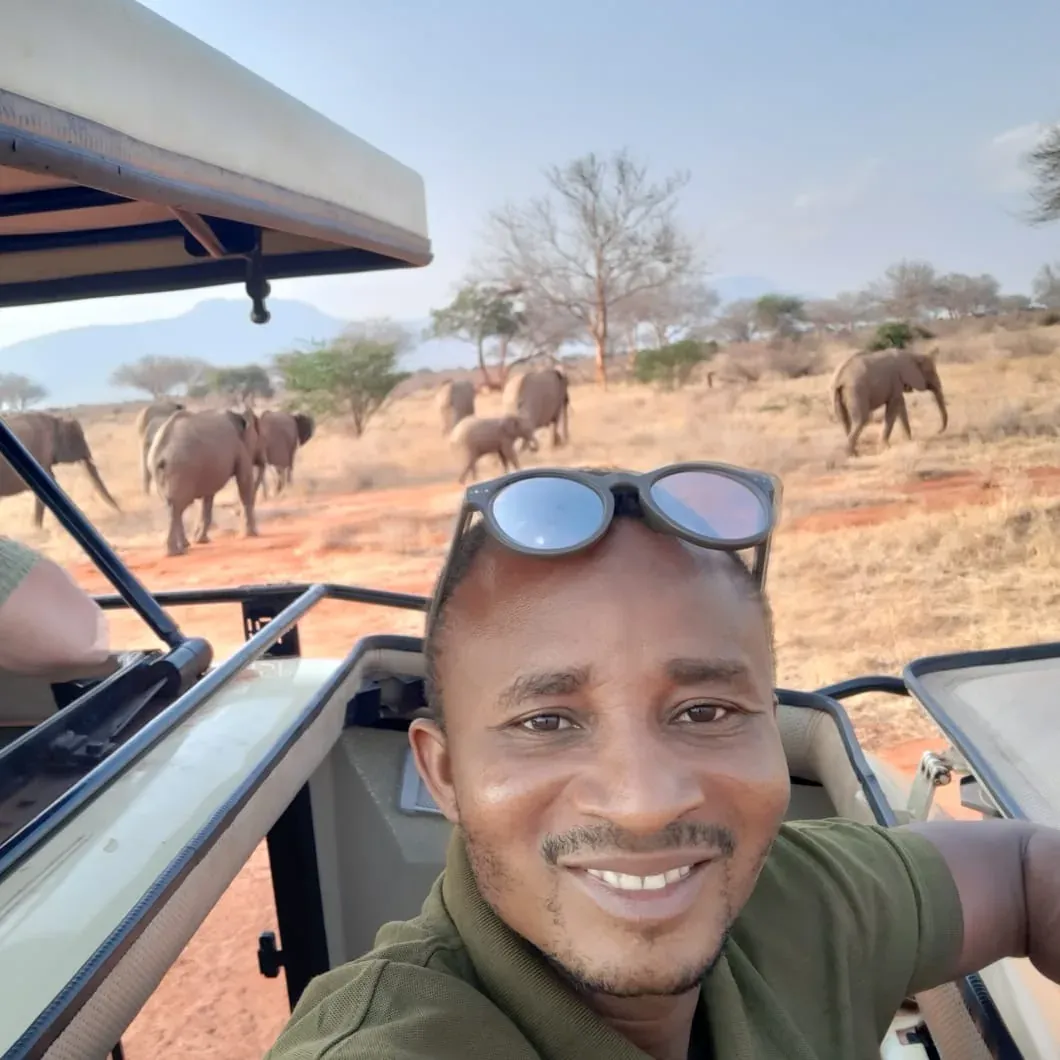
The density of predators is high: lions, cheetahs, leopards and hyenas are seen here more readily than elsewhere. To that add elephants, buffalo, hippos, crocodiles and a very varied grassland fauna. No sighting is guaranteed, in any season.
The great migration of wildebeest and zebra is a continuous process that turns all year round between the Serengeti and the Mara: it is not an event with a date. The crossings of the Mara river cannot be scheduled — they depend on the rains, on where the herds are and on variables nobody controls. If someone sells you a crossing on a given day, they are telling you something they cannot know.
The Mara is Maasai land and the communities have a direct role in running the conservancies. Village visits are arranged only on clear terms and with the consent of the people who live there: I explain that before suggesting them.
When to come
The reserve can be visited all year round. The migration herds are generally in the Mara between July and October, but the calendar changes every year with the rains. Between December and March the grass is low, the predators remain easy to watch and there are fewer visitors.
Getting there
From the coast you fly: departure from Malindi or Mombasa, a connection at Nairobi Wilson and then a light aircraft to one of the Mara airstrips. The transfer day is almost all travel, but it is still incomparably shorter than the road.
Light aircraft have reduced baggage allowances and generally require soft bags: I tell you that when we book, not at the airport. Schedules, connections and landing strips change with the season and have to be confirmed for your dates.
Travel times
The times below are indicative: they change with the entry gate, road surface, traffic and season.
From
Indicative hours
Note
Watamu
6–9 in total, by air with a connection
Indicative door-to-door time: transfer to the airport, flight to Nairobi Wilson, connection and light aircraft. Connections and waiting times change every day.
Malindi
5–8 in total, by air with a connection
Indicative door-to-door time, with the connection at Nairobi Wilson. There is no guaranteed direct link between the coast and the Mara.
Nairobi
1–1.5 by air
Indicative duration of the flight from Nairobi Wilson to a Mara airstrip. By road it takes roughly 5–7 hours.