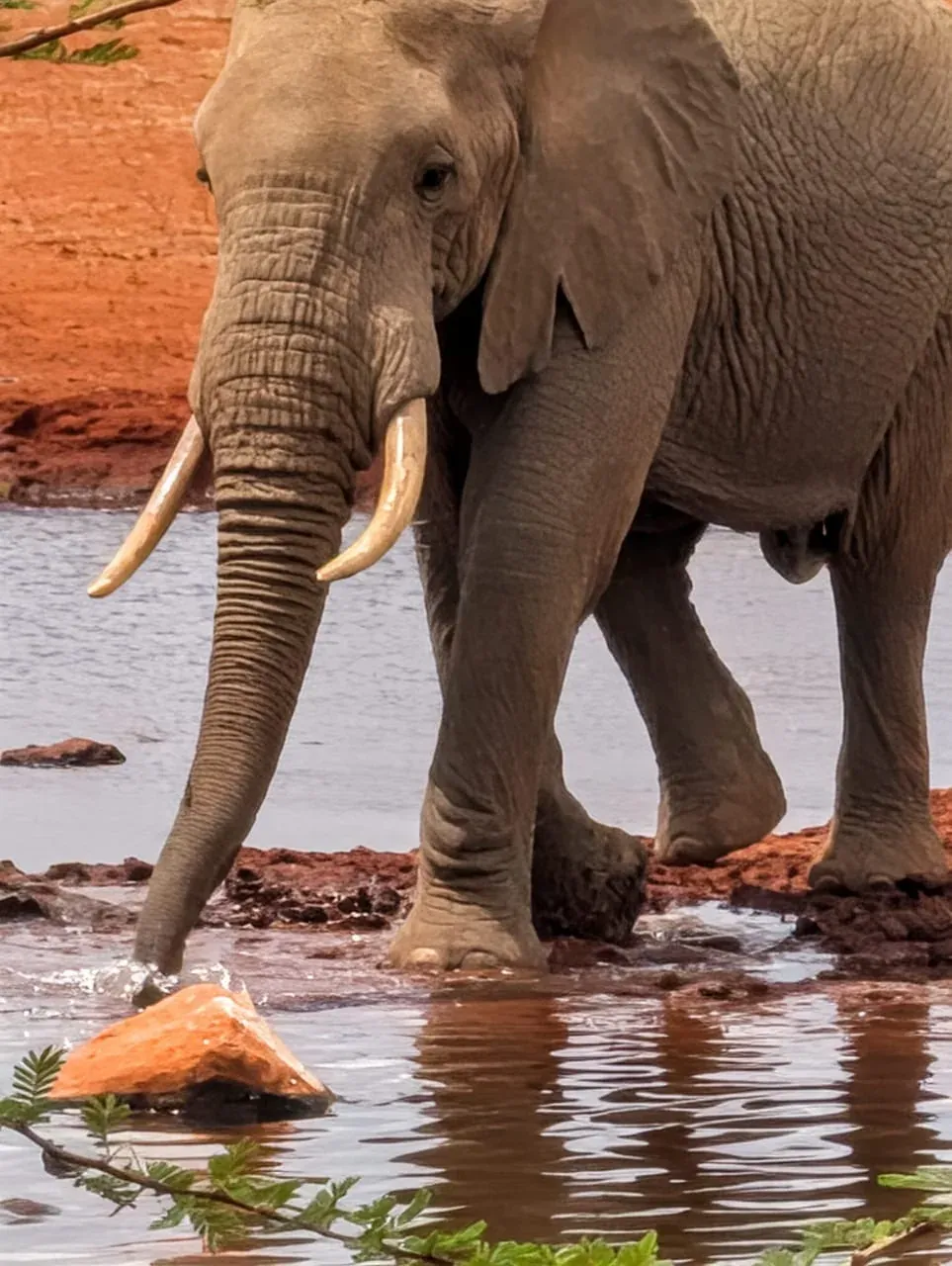
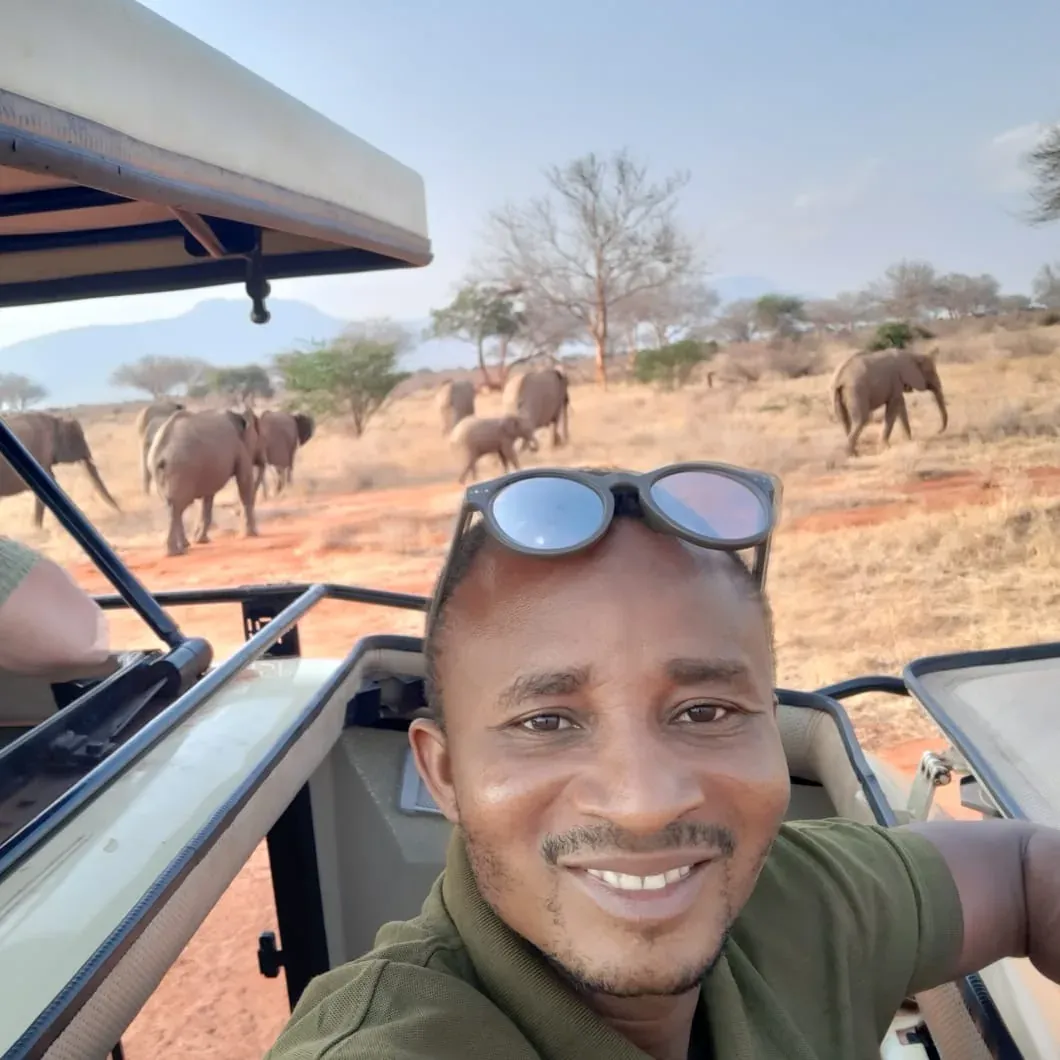
Grasslands, spring-fed swamps and large herds of elephants, with the outline of Kilimanjaro behind them when the clouds let it show.
Amboseli National Park is managed by the Kenya Wildlife Service and lies in southern Kenya, hard against the Tanzanian border. It is a relatively small park but one with very different landscapes inside it: the dusty bed of a lake that dries out, the grasslands, and the permanent swamps fed by water coming down from the Kilimanjaro massif.
It is known above all for its elephants, studied here for decades, and for the chance of seeing Kilimanjaro behind them. The mountain is often covered by cloud: it clears more readily in the first hours of the morning or shortly before sunset, but it is not a certainty and I do not promise it.
Nature and culture
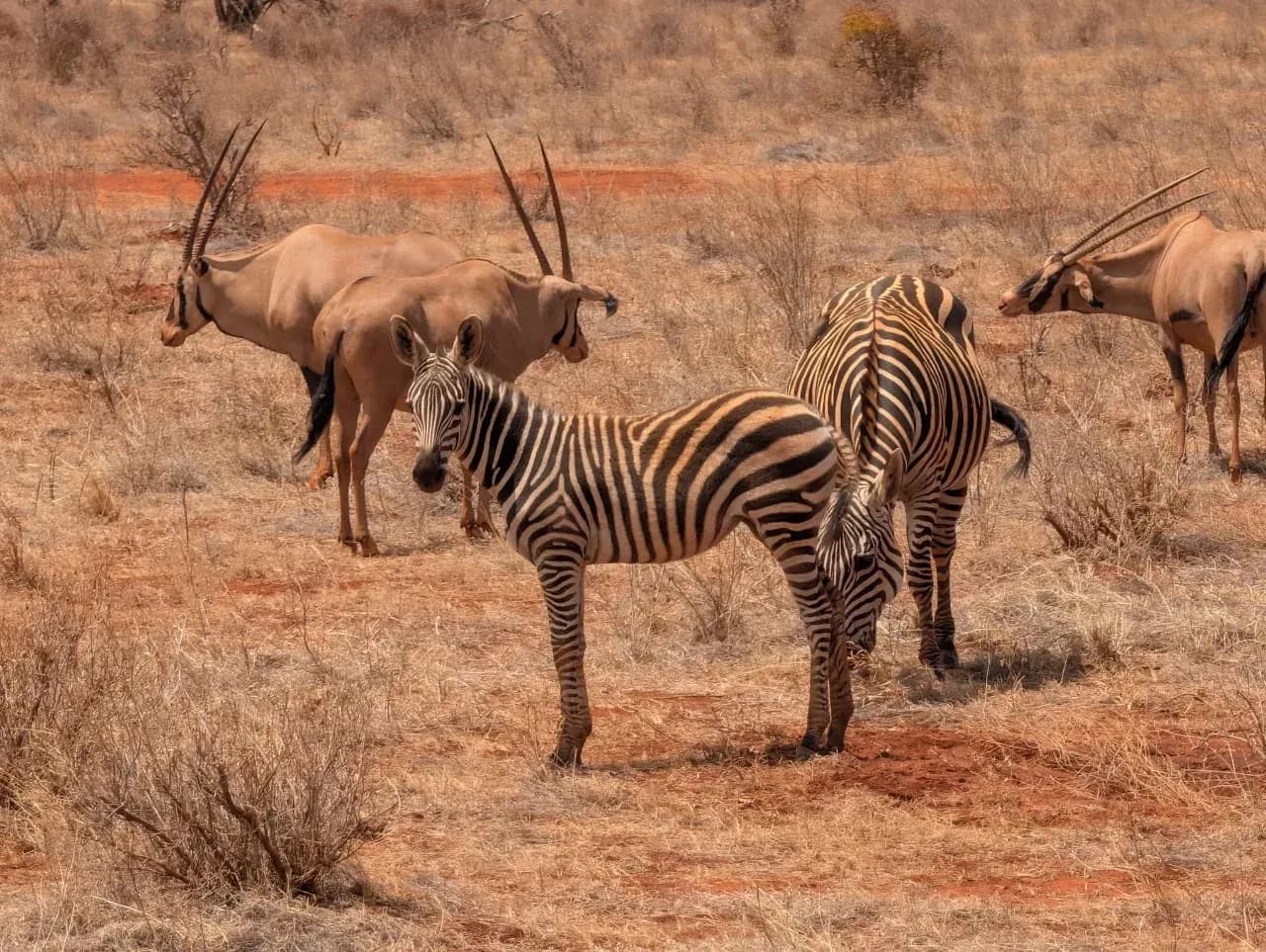
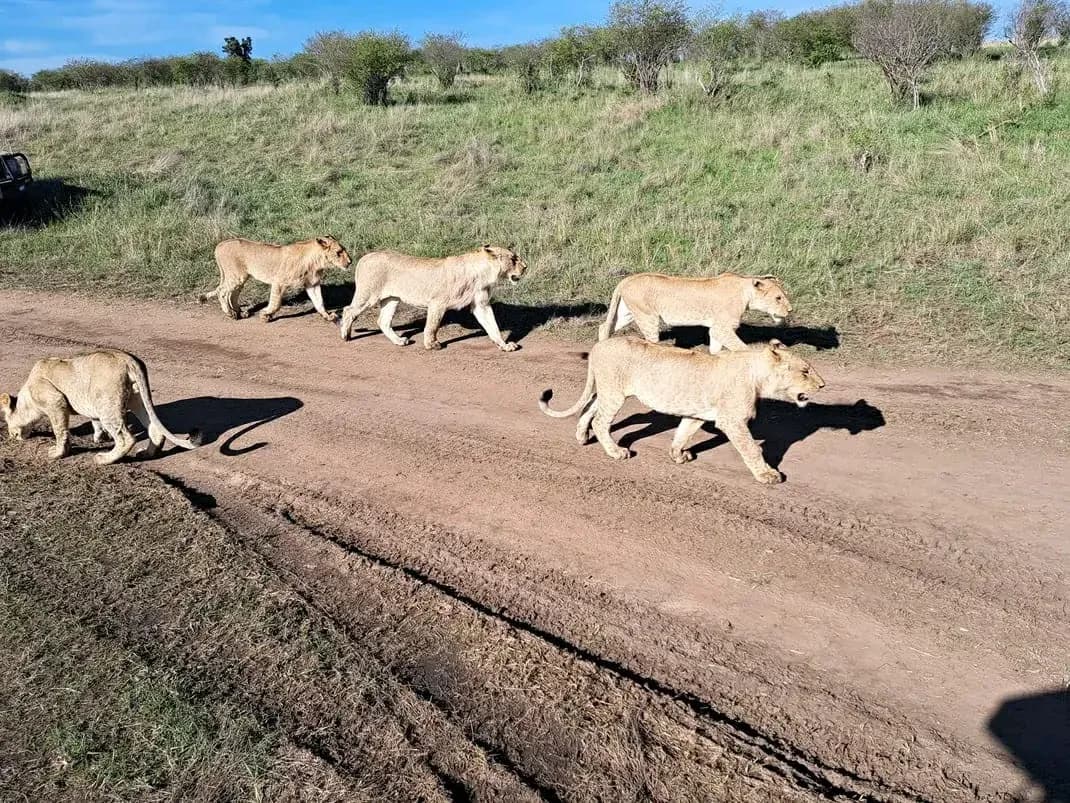
Besides the elephants there are zebra, wildebeest, buffalo, giraffe, hyena, hippos in the swamps and, with more luck, lions and cheetahs. The wetlands also make the park very good for water birds. No sighting is guaranteed.
Amboseli is Maasai land: the park is surrounded by group ranches and community-run conservancies, and the coexistence of herding and wildlife is the central question here. Village visits are arranged only on clear terms: the difference between a real meeting and a staged one lies entirely in how it is set up, and I talk it through with you beforehand.
When to come
In the drier months, roughly June to October and January to March, the animals concentrate around the swamps and watching them is easier. In the rainy seasons the dust settles, the green comes back and the sky in the early hours is often clearer, but conditions change from year to year.
Getting there
From the coast you arrive by road, breaking the journey, usually with a night in Tsavo. That is why Amboseli appears in three- and four-day itineraries and never in day trips.
From Nairobi the transfer is shorter and goes via Namanga or Emali. Entry follows the Kenya Wildlife Service fees, which change and should be checked on the KWS website.
Travel times
The times below are indicative: they change with the entry gate, road surface, traffic and season.
From
Indicative hours
Note
Watamu
9–12
Indicative time for the road transfer alone: it is always covered over several days, never in one.
Malindi
9–11
Indicative one-way time, with stops. The same advice applies: break the journey.
Nairobi
4–6
Indicative time by road, including the traffic getting out of the city.
Two parks that look nothing alike: the red earth of Tsavo East and the low plains of Amboseli, with two nights so you are not spending the whole trip chasing the clock.